Medical Device
Ushering pathology into the "Slide-Free" Era
From fresh tissue to digital H&E: in just 3 minutes
Workflow Comparison
The conventional intraoperative workflow is labor-intensive, requiring multiple manual steps including embedding, sectioning, fixation, and staining. Because slide quality is highly operator-dependent and diagnostic accuracy relies heavily on individual experience, pathology departments face immense pressure, leading to prolonged intraoperative wait times for surgical teams.
Glanzir® bridges the gap from fresh tissue to digital "Computational H&E" images in just 3 minutes. By providing a rapid, high-fidelity, and non-destructive diagnostic paradigm, Glanzir ensures clinical precision while significantly accelerating surgical turnover and liberating pathology staff from manual bottlenecks.
Clinical Trial
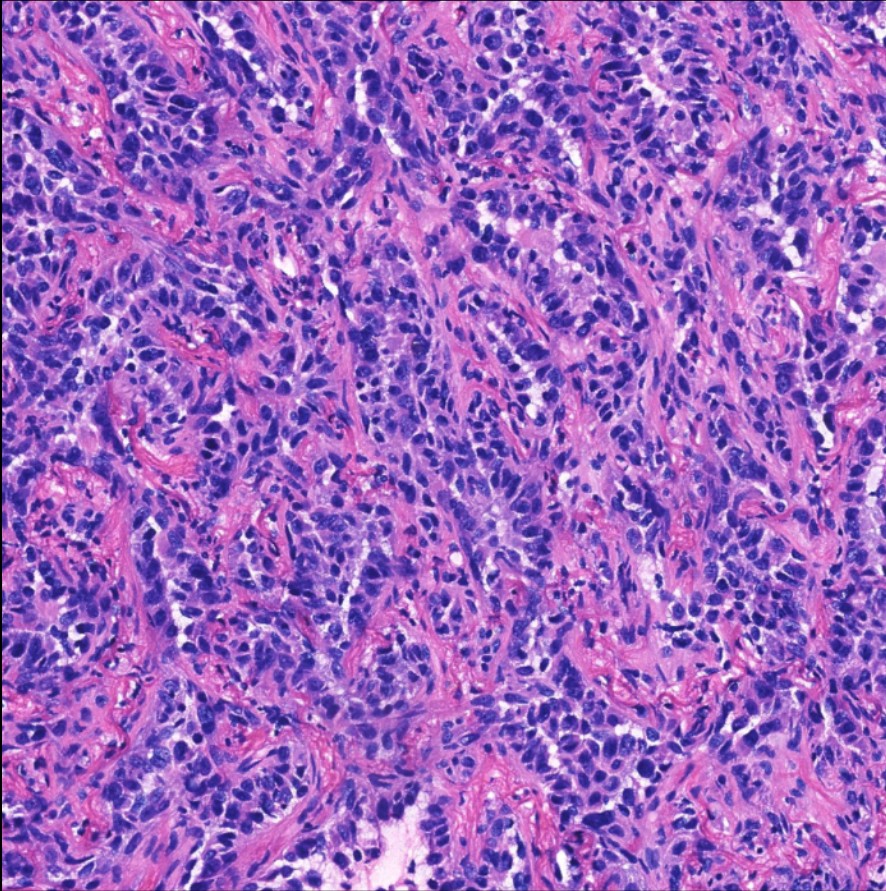
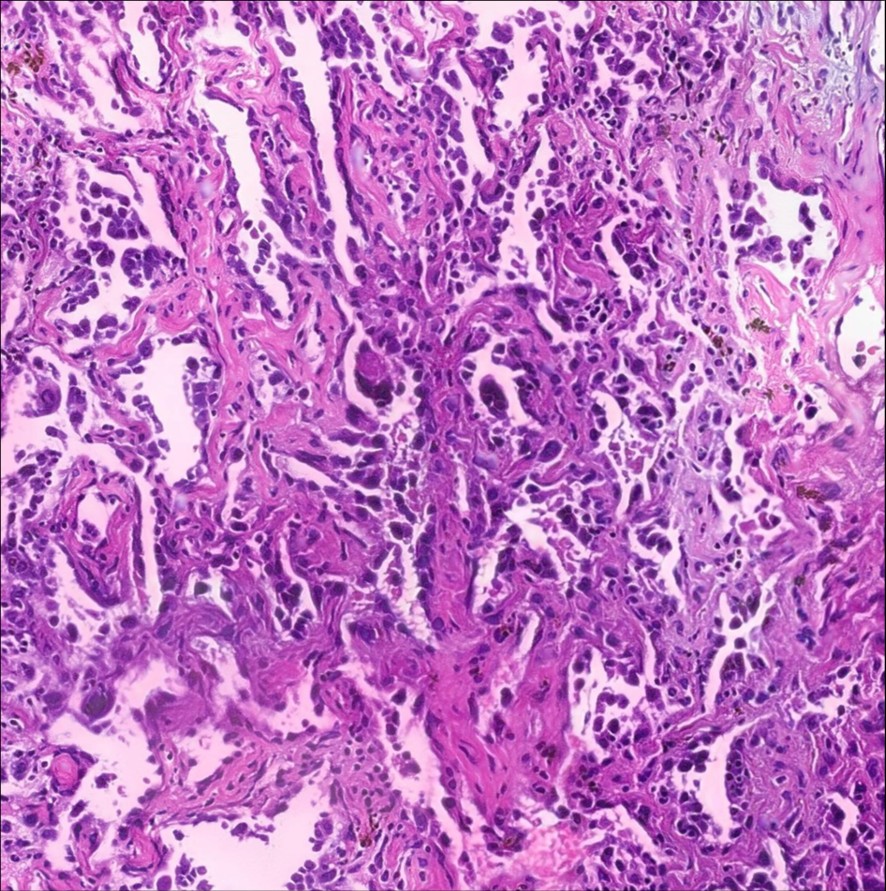
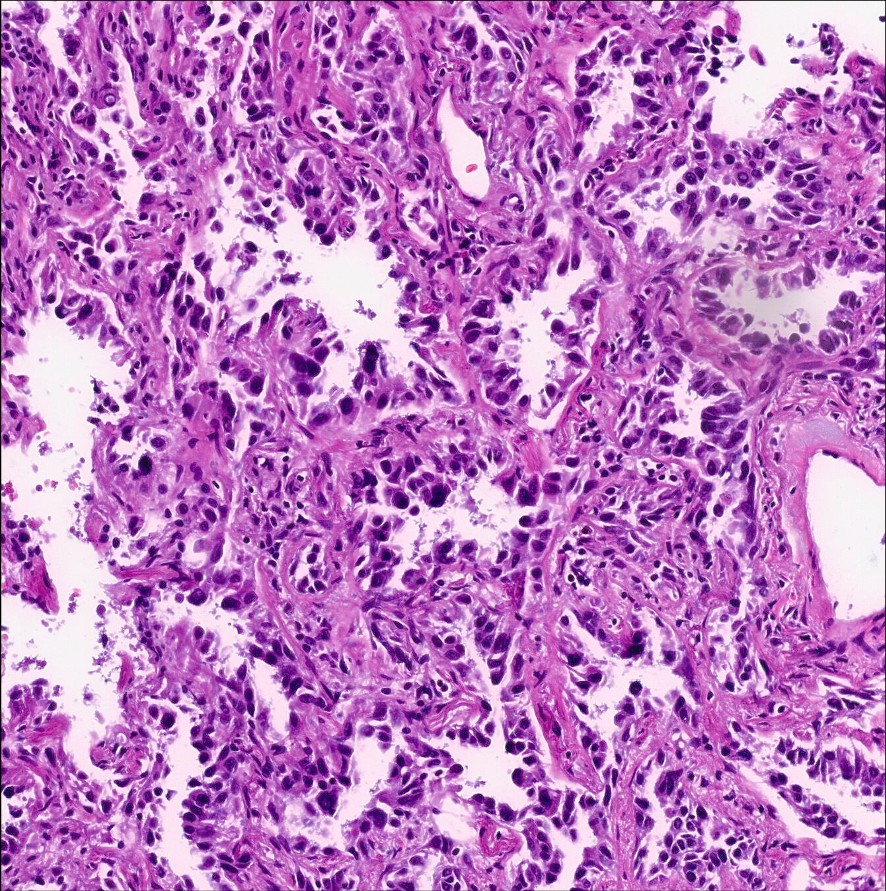
Frozen sectioning is the current clinical routine for intraoperative pathology. It typically requires 30 minutes and often suffers from significant image degradation compared to the FFPE gold standard.
abdc
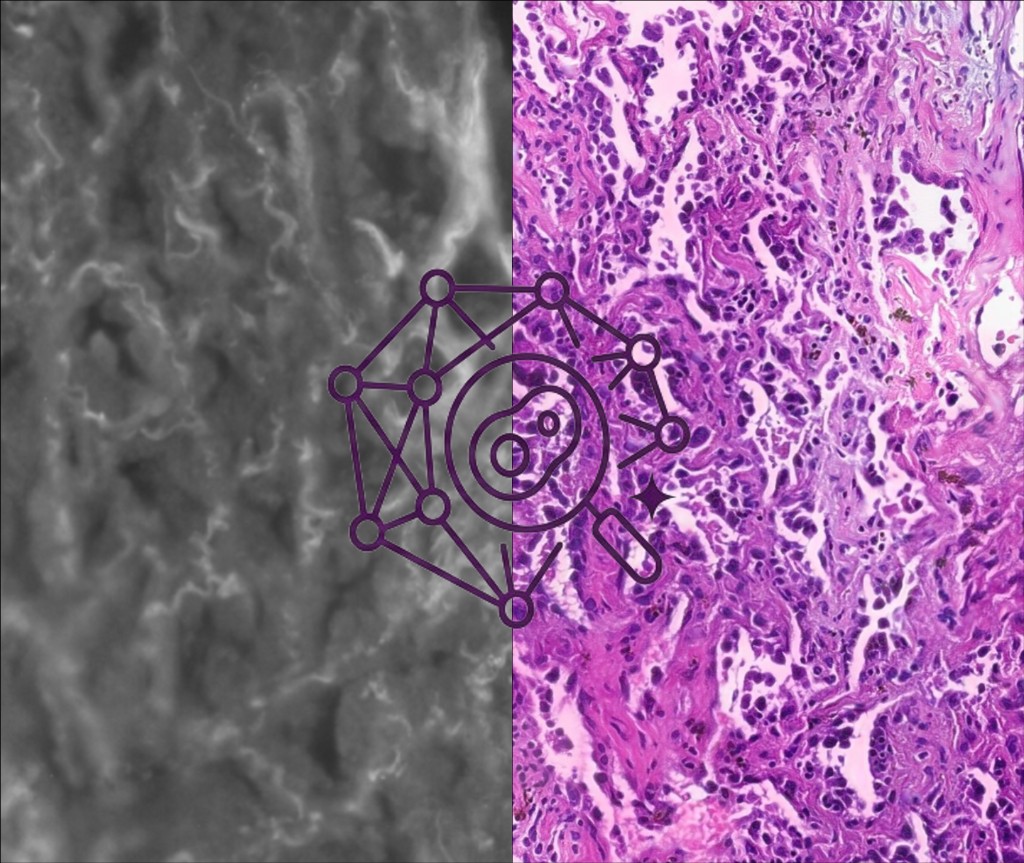
Enabling direct digitization of fresh tissue into computational H&E images. The image quality surpasses that of traditional frozen sections, offering a closer approximation to the FFPE gold standard.
abdc
H&E staining following paraffin sectioning is the gold standard for pathological examination, and normally takes more than 3 days.
abdc
Core Technology
Glanzir revolutionizes traditional tissue processing by capturing "native signals" directly from the tissue surface through two core technological leaps:
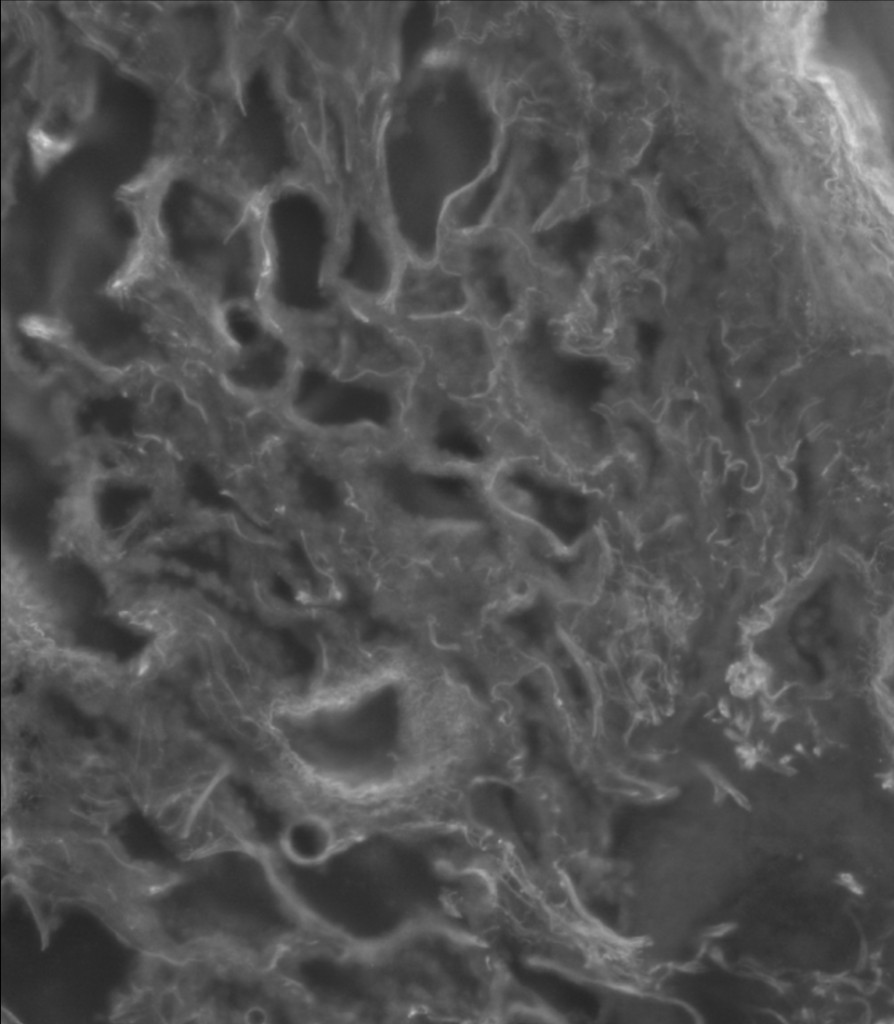
Slide-Free Imaging: Excitation light penetrates only the tissue surface to capture 2D images, eliminating signal interference from deep tissue.
Stain-Free: By utilizing Deep-UV light to excite endogenous fluorophores, high-contrast imaging between the nucleus and cytoplasm is achieved without any chemical labeling.
By leveraging endogenous autofluorescence and tissue morphology, our system precisely maps signals into the traditional H&E color palette. This enables pathologists to interpret images intuitively, removing diagnostic barriers.
Strategic Roadmap
Expanding clinical coverage across critical cancer types